
Braces vs. Invisalign for Adults: Which Should You Choose?
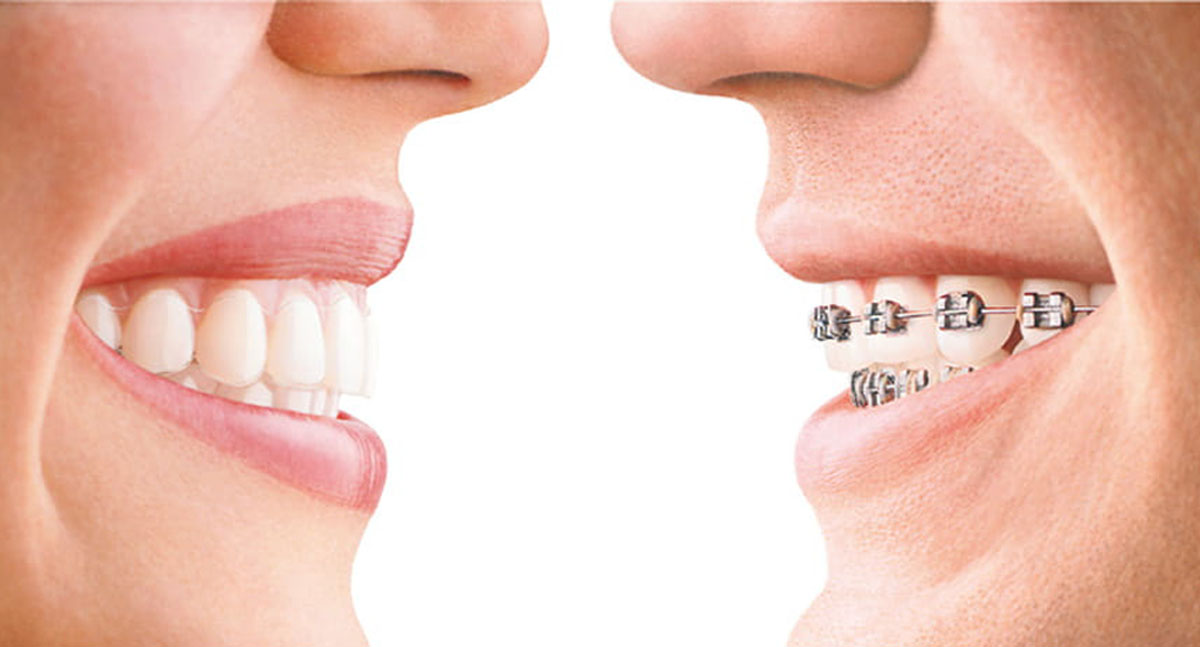
Choosing between braces and Invisalign as an adult is less about finding a universal winner and more about matching treatment to your teeth, habits, and daily routine. Both approaches can improve alignment and your bite when planned and monitored by an orthodontic professional. At Loudoun Innovative Dentistry in Brambleton, Dr. Abdullah Mahgoub helps adult patients weigh both options against their specific teeth and lifestyle.
Braces vs. Invisalign: An Overview for Adults
Traditional braces use brackets and wires attached to the teeth, while Invisalign treatment uses a series of clear, removable aligners. Braces stay in place throughout treatment, whereas aligners can be taken out for meals, brushing, and flossing. That difference affects nearly everything from appearance to daily responsibility.
Adults also bring practical concerns that younger patients may not. Work meetings, travel, family schedules, photos, and comfort all deserve a place in the decision. When considering braces vs. Invisalign for adults, think beyond appearance and ask which system you are most likely to use as directed.
Is Invisalign as Effective as Braces for Adults?
The answer depends on the orthodontic problem and the movements required. Clear aligners can be suitable for many common alignment concerns, but they are not automatically the right fit for every case. An examination through our orthodontic services is needed to determine which approach can move your teeth as planned.
Braces apply continuous guidance because the brackets and wires remain attached. Aligners work only when they are being worn, so treatment success depends heavily on following the prescribed schedule. According to MouthHealthy, the American Dental Association's consumer resource, braces and aligners are the appliances orthodontists most commonly use to guide teeth into proper position, and it is the orthodontist who determines which appliance suits a given case.
How Adult Braces Work
Adult braces move teeth through a system of brackets and wires. Brackets are bonded to the teeth, and adjustments are made to the wires during scheduled visits to apply controlled pressure that gradually shifts teeth toward healthier positions. Because braces remain fixed, you do not have to remember to put them back in after eating or brushing, which some adults find reassuring.
How Invisalign Works for Adults
Invisalign treatment uses a sequence of clear aligners designed to guide teeth through planned stages. Each aligner is worn for a set schedule, then replaced according to the treatment plan. Since the trays are removable, adults can take them out for meals and normal oral hygiene, though that flexibility comes with a clear obligation: aligners cannot move teeth while sitting in a case.
Adult Braces vs. Invisalign Cost
| Cost Factor | Why It Can Matter |
|---|---|
| Case complexity | More involved tooth or bite corrections may require additional planning and time |
| Treatment length | A longer plan can involve more appointments and monitoring |
| Appliance needs | Braces, aligners, attachments, or other components may affect the estimate |
| Retention and follow-up | Retainers and post-treatment visits may be billed separately |
A lower initial quote is not necessarily the lower overall cost if it excludes retainers, replacement aligners, or follow-up care. Comparing estimates line by line, and asking whether the estimate covers exams, scans, adjustments, and retention, makes the decision less confusing.
Comfort and Lifestyle Differences
- Braces may irritate the cheeks and lips at first, while aligners can feel unfamiliar or create pressure when you speak
- With braces, certain foods may need to be avoided or modified; with aligners, meals are less restricted but trays must be removed and replaced
- Brushing around brackets takes extra patience compared to brushing with aligners removed
- Consider whether you would rather manage fixed brackets or keep track of removable trays during work, travel, and social events
Treatment Time: Braces vs. Invisalign
Treatment time varies widely because every mouth and treatment plan is different. The number and type of movements needed, your bite, appointment schedule, and response to treatment all influence the timeline. Braces work continuously because they stay attached, while aligner treatment may slow when trays are not worn as directed, so it is better to ask for a realistic range than to expect a guaranteed finish date.
How to Decide Which Option Is Right for You
Start with the clinical question: what needs to change, and which appliance can achieve those movements predictably? Dr. Mahgoub evaluates crowding, spacing, bite relationships, and other factors that aren't easy to judge in a mirror during a consultation. Appearance matters, but it should come after suitability.
Next, consider your routine honestly. If you travel often, attend frequent meetings, or want fewer food restrictions, removable aligners may feel convenient. If you would rather avoid monitoring wear time and remembering a case, fixed braces may be easier to live with. Once you understand the trade-offs, the right choice is usually the one that fits both your orthodontic needs and the life you actually lead.
Conclusion
Braces and Invisalign can both be effective options for adults, but the better choice depends on your specific tooth movements, budget, appearance preferences, and ability to follow instructions. A careful orthodontic evaluation can show which approach fits your case, while an honest look at your routine can show which one you are most likely to complete successfully.
Frequently Asked Questions
Are braces or Invisalign better for adults?
Neither option is universally better. The right choice depends on the movements required, your bite, your treatment goals, and whether you can consistently follow the appliance instructions.
Is Invisalign as effective as braces for adults?
It can be effective for many adult cases, but suitability depends on the complexity of the correction and the movements needed. A professional evaluation is necessary before choosing.
Do braces hurt more than clear aligners?
Both can cause temporary pressure or soreness as teeth begin moving. Braces may also cause cheek or lip irritation, while aligners can feel tight when a new tray is introduced.
Can adults eat normally with braces?
Adults with braces usually need to avoid or modify hard, sticky, and chewy foods. With careful preparation, many other foods can remain part of a normal diet.
Will I need retainers after treatment?
Most people need retention after orthodontic treatment to help maintain the new tooth positions. Dr. Mahgoub can explain which retainer type and wear schedule are appropriate for you.
About the Author
Loudoun Innovative Dentistry is located at 24305 Liberty Harvest Ct #110, Dulles, VA 20166, serving Brambleton, Ashburn, Arcola, Stone Ridge, South Riding, and surrounding Loudoun County communities. The practice is led by Dr. Abdullah Mahgoub, DDS, who completed his Advanced Education in General Dentistry (AEGD) at Columbia University in New York and provides comprehensive orthodontic, cosmetic, restorative, implant, and pediatric dental care.
Medical Disclaimer
The information provided in this article is for educational purposes only and does not constitute professional orthodontic advice, diagnosis, or treatment. The best orthodontic option for you can only be determined through an in-person evaluation. Always seek the advice of your dentist or orthodontist with any questions regarding orthodontic treatment. Never disregard professional advice or delay in seeking it because of something you have read here.
Blog Post Author

Contributed by DentalROI
DentalROI provides relevant dental content to help providers educate patients. The statements, services, and products referenced in this article have not been evaluated by the Food and Drug Administration, and they are not intended as a substitute for professional medical advice, diagnosis, or treatment. Always seek the advice of your dental provider with any questions or issues you may have. Specific recommendations may vary in different circumstances, so individual consultation is important.