
Why Do I Wake Up With Jaw Pain Every Morning
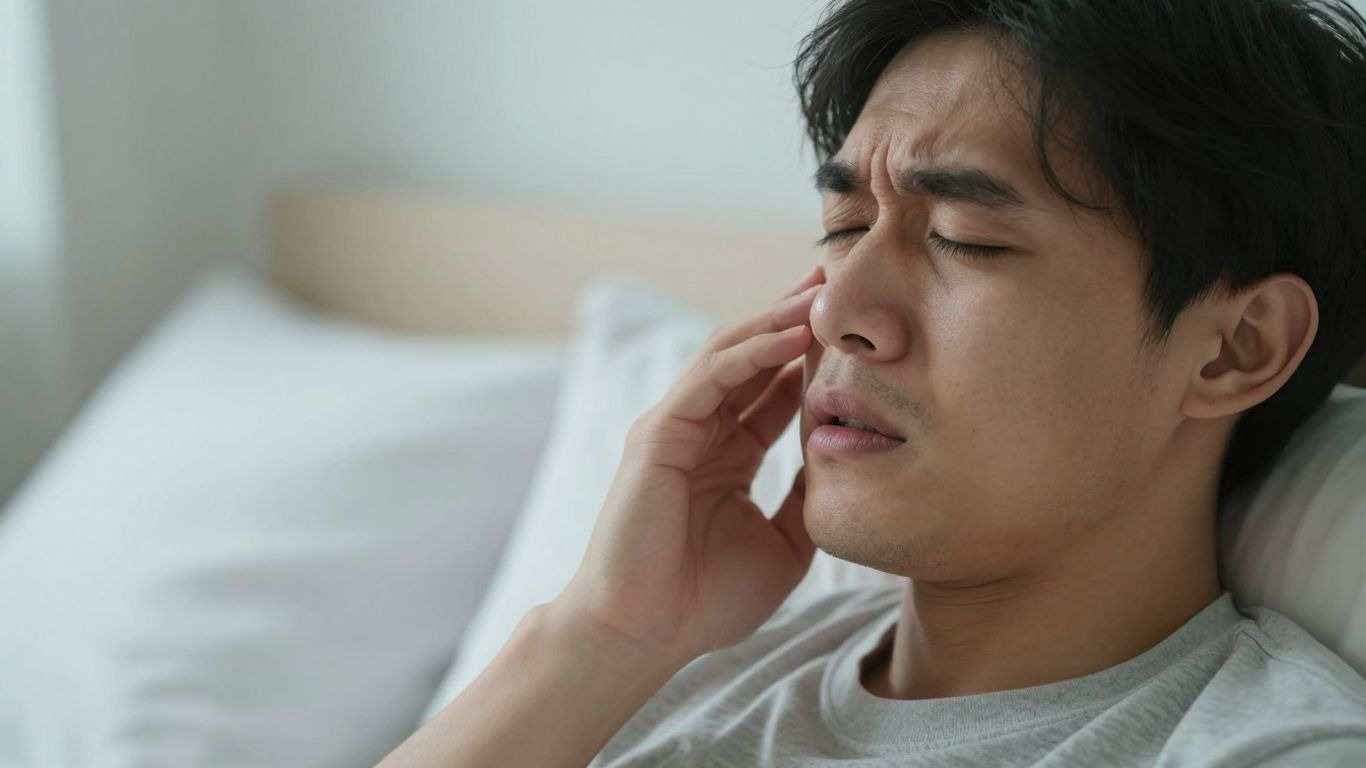
Waking up with a tight jaw and pain can really throw off your whole day, can't it? That dull ache, the stiffness when you try to open your mouth wide enough for a decent yawn – it's a common complaint, but that doesn't make it any less annoying. You might be wondering, why does this keep happening? It's not just a random occurrence; there are usually underlying reasons why your jaw feels like it's been through a workout while you were sleeping.
What waking up with a tight jaw and pain usually means
When you consistently wake up with a sore or tight jaw, it's often a signal that something is happening during your sleep that's putting extra stress on your jaw joint and the surrounding muscles. This isn't usually a sign of a serious illness, but it definitely points to a need to figure out what's going on. Think of it like your body's way of saying, 'Hey, something's not quite right here!'
- Muscle Tension: Your jaw muscles might be working overtime, clenching or grinding without you even knowing it.
- Joint Strain: The temporomandibular joint (TMJ), which connects your jawbone to your skull, could be under strain.
- Inflammation: Sometimes, the tissues around the jaw can become inflamed, leading to that morning soreness.
It's easy to dismiss morning jaw pain as just a temporary annoyance, but if it's a regular thing, it's worth paying attention to. It could be your body's way of telling you about habits or conditions that need addressing.
So, if you're asking yourself, 'Why do I wake up with jaw pain every morning?', you're in the right place to start looking for answers. It's usually a combination of factors, and understanding them is the first step to getting some relief.
Common Jaw Pain in the Morning Causes
So, you're waking up with a jaw that feels like it went ten rounds with a heavyweight boxer. It's a bummer, right? This morning jaw soreness isn't just a random occurrence; there are usually some pretty solid reasons why your jaw aches after sleeping. Let's break down some of the most common culprits behind these jaw pain in the morning causes.
Why Jaw Aches After Sleeping Causes You Can't Ignore
It's easy to dismiss that morning jaw ache as just a weird fluke, but sometimes, it's your body sending a signal that something's up. Ignoring it might mean missing out on figuring out what's really going on. Here are some of the usual suspects:
- Bruxism (Teeth Grinding/Clenching): This is a big one. You might be grinding your teeth or clenching your jaw without even realizing it while you're catching Zs. It's like your jaw muscles are getting a serious workout all night, leading to soreness when you wake up. Over time, this can even mess with your teeth and jaw joints.
- Sleep Position: How you sleep can really impact your jaw. If you're a stomach sleeper, your head might be turned at an awkward angle, putting strain on your jaw. Even resting your hand under your jaw can push it out of alignment and cause discomfort.
- Stress and Anxiety: Life got you wound up? Stress often manifests physically, and for many, that means clenching their jaw or grinding their teeth, especially during sleep. It's your body's way of holding tension.
- Dental Issues: Believe it or not, problems like cavities or gum disease can sometimes cause referred pain that you feel in your jaw. If decay reaches the tooth's root or gum disease progresses, it can lead to a throbbing ache.
- Sinus Pressure: Those sinuses near your upper teeth and jawbone can cause issues. When they're inflamed or congested, the pressure can make your jaw feel achy.
- Temporomandibular Joint (TMJ) Disorders: These affect the joints that connect your jawbone to your skull. If these joints are irritated or not functioning right, it can lead to pain, stiffness, and limited movement in your jaw, which you'll notice most when you first wake up.
It's important to remember that while many morning jaw pain causes are related to habits or sleep, persistent or severe pain could point to something more significant. Don't hesitate to get it checked out if it's bothering you.
Sometimes, it's a combination of these factors. For instance, stress might lead to clenching, which then irritates your TMJ, and if you sleep in a position that further strains your jaw, you've got a recipe for morning misery.
Top Morning Jaw Soreness Reasons (TMJ, Grinding, Stress)
Waking up with a sore jaw can really throw off your morning. It's like your jaw is saying, "Nope, not ready for the day yet!" Often, this morning ache is linked to a few key things you might be doing, or experiencing, without even realizing it. Let's break down the usual suspects.
How bruxism and TMJ disorders cause morning jaw pain
Bruxism, which is the fancy term for grinding or clenching your teeth, is a major player here. Many people do this without realizing it, especially when they're asleep. Your jaw muscles are working overtime all night, and just like any other muscle that's been overworked, they get sore. This constant pressure can strain your jaw joints, known as the temporomandibular joints (TMJ), leading to that familiar morning stiffness and pain.
Over time, this grinding and clenching can actually lead to temporomandibular joint (TMJ) disorders. These disorders affect the joints that connect your lower jaw to your skull. Symptoms can include clicking or popping sounds when you open your mouth, headaches, and that persistent jaw soreness you feel when you first wake up.
Here's a quick look at how these issues can mess with your jaw:
- Bruxism (Teeth Grinding/Clenching): Unconscious tightening or grinding of teeth, usually during sleep. This puts excessive force on the jaw muscles and joints.
- TMJ Disorders: Problems with the temporomandibular joints themselves, often caused or worsened by bruxism. This can lead to pain, limited movement, and clicking.
- Muscle Strain: The constant tension from grinding or clenching tires out the jaw muscles, making them ache.
Sometimes, the cause isn't just one thing. It can be a combination of factors, like stress making you clench more, or even how you're sleeping, all adding up to that morning jaw pain.
When Morning Jaw Pain Becomes a Serious Problem
Most of the time, waking up with a sore jaw is just a grumpy start to the day, maybe from sleeping funny or clenching your teeth a bit too hard. But sometimes, that morning ache is trying to tell you something more. It's like your body's way of saying, 'Hey, pay attention to this!' If the pain is really bad, or if it's happening more and more, it's probably time to get it checked out.
Warning signs you should see your dentist immediately
While a little jaw soreness might just mean you need to chill out or get a mouthguard, some symptoms are a bigger deal. These aren't things to just brush off. If you notice any of these, it's a good idea to book an appointment with your dentist or doctor sooner rather than later.
- Lockjaw: This is when your jaw gets stuck open or closed and you can't move it. It's pretty scary and definitely needs professional help.
- Severe or getting worse pain: If the pain is intense, or if it's not getting better but actually feels like it's creeping up, don't wait.
- Swelling: If your face or jaw area looks puffy or swollen, that could be a sign of infection or something else that needs looking at.
- Trouble eating or swallowing: If opening your mouth to eat or even just swallow feels difficult or painful, that's a red flag.
- Sudden, intense headaches: Sometimes, jaw pain can be linked to serious headaches. If you get a really bad headache along with your jaw pain, get it checked out.
- Fever: A fever along with jaw pain can point to an infection that needs medical attention.
It's easy to think of jaw pain as just a minor inconvenience, but when it starts interfering with your daily life or comes with other concerning symptoms, it's your body's signal that something needs attention. Don't ignore persistent or severe pain; seeking professional advice is the best way to figure out what's going on and get the right help.
If your jaw pain is accompanied by any of these, especially chest pain or shortness of breath, don't hesitate – call emergency services right away. While most jaw pain isn't an emergency, these specific combinations can point to more serious health issues that need immediate care.
How to Stop Waking Up With Jaw Pain for Good
Alright, so you're tired of that morning jaw ache. It's a real drag, right? The good news is, you don't have to just live with it. There are definitely things you can do to get some relief and start your days feeling more human.
First off, let's talk about what might be going on. A lot of times, this pain is linked to clenching or grinding your teeth while you sleep, a habit called bruxism. Stress is a huge trigger for this. When you're stressed, your body tenses up, and that can include your jaw muscles, even when you're snoozing. Sometimes, it's also about how you're sleeping – like if you tend to sleep on your stomach with your head turned, or even rest your hand under your jaw. These positions can put extra strain on the joint.
So, what's the game plan?
- Get a Mouthguard: This is a big one if grinding or clenching is the culprit. Your dentist can make you a custom night guard. It's not a cure for the grinding itself, but it acts like a shield, protecting your teeth from damage and helping to ease the pressure on your jaw joint. Don't just grab any old one from the store; a proper fit is key.
- Chill Out Before Bed: Since stress is a major player, finding ways to relax before hitting the hay can make a difference. Try some deep breathing exercises, listen to calming music, or even do some gentle stretches. A warm compress on your jaw for about 10-15 minutes can also help loosen things up.
- Tweak Your Sleep Position: If you're a stomach sleeper, try rolling onto your back or side. Using a supportive pillow that keeps your head and neck aligned can also help reduce strain on your jaw. Think about where your hands are too – try not to use them to prop up your head.
- Stay Hydrated and Watch What You Eat: Believe it or not, dehydration can sometimes make muscle pain worse. Also, cutting back on things like chewing gum or hard candies can give your jaw muscles a break.
If your jaw pain is really intense, or if you're noticing other weird symptoms like swelling, locking of the jaw, or even chest pain, it's super important to see a dentist or doctor right away. They can figure out if something more serious is going on.
It might take a little trial and error to find what works best for you, but tackling the root causes – whether it's stress, sleep habits, or the grinding itself – can really help you wake up feeling a lot better. Here's to pain-free mornings!
So, What's the Deal with Your Morning Jaw Pain?
Waking up with a sore jaw is definitely a drag, and it turns out there are a bunch of reasons why it might be happening. From grinding your teeth in your sleep to how you're holding your head when you're snoozing, or even just stress from your day, your jaw can really take a beating overnight. The good news is, you don't have to just live with it. Figuring out the cause is the first step, and often, simple changes like adjusting your sleep position, getting a mouthguard, or finding ways to manage stress can make a big difference. If the pain sticks around or gets worse, though, it's always a good idea to chat with your dentist or doctor. They can help pinpoint the exact issue and get you on the road to pain-free mornings. Visit Innovative Dentistry today to learn how our personalized TMJ treatment plans can help you wake up feeling refreshed and pain-free.
Frequently Asked Questions
What does it mean if my jaw hurts when I wake up?
Waking up with a sore jaw often means you've been grinding or clenching your teeth while you sleep. It can also be caused by how you sleep, like sleeping on your stomach, or by stress that makes your jaw muscles tense up overnight. Sometimes, it's a sign of a problem with your jaw joint, called TMJ disorder.
Is teeth grinding at night a big deal?
Yes, teeth grinding, also known as bruxism, can be a big deal. While it might just cause a sore jaw at first, over time it can damage your teeth, cause headaches, and lead to more serious jaw problems like TMJ disorder. It's your body's way of releasing stress or tension during sleep.
How can my sleep position cause jaw pain?
If you sleep on your stomach, your head is often turned to the side, which can twist your jaw and neck muscles. Also, if you rest your head on your hand, it can push your jaw out of place. These awkward positions put extra strain on your jaw joint and muscles, leading to pain when you wake up.
What is TMJ disorder?
TMJ disorder refers to problems with the temporomandibular joint, which is the hinge that connects your lower jaw to your skull. When this joint or the muscles around it are strained or damaged, it can cause pain in your jaw, face, and neck, along with clicking sounds and difficulty moving your jaw.
What can I do to stop waking up with jaw pain?
To help prevent morning jaw pain, try sleeping on your back or side with a supportive pillow. Reducing stress through relaxation techniques can also help. Your dentist might suggest a mouthguard to wear at night if you grind your teeth, and they can also check if your bite is causing problems.
When should I see a dentist about my jaw pain?
You should see a dentist if your jaw pain is severe, lasts for more than a couple of weeks, or if it starts to affect your ability to eat, speak, or sleep. Also, if you have other symptoms like headaches, ear pain, or neck stiffness that don't go away, it's a good idea to get it checked out.
Blog Post Author

Contributed by DentalROI
DentalROI provides relevant dental content to help providers educate patients. The statements, services, and products referenced in this article have not been evaluated by the Food and Drug Administration, and they are not intended as a substitute for professional medical advice, diagnosis, or treatment. Always seek the advice of your dental provider with any questions or issues you may have. Specific recommendations may vary in different circumstances, so individual consultation is important.