
What is Dental Bonding & How Does It Work
A chipped tooth or a small gap in your smile might not seem like a big deal, but it can affect how you feel when you show off your teeth. Luckily, there's a simple and affordable way to fix these minor cosmetic issues. Dental bonding offers a quick, reliable solution without any discomfort or downtime. This trusted treatment can reshape your smile and boost your confidence, often in just one visit. Let's explore what dental bonding is all about and how it works.
Key Takeaways
- Dental bonding uses a tooth-colored resin material that a dentist applies, shapes, and hardens with a special light to fix chips, gaps, and other minor flaws.
- The dental bonding procedure is typically quick, often completed in a single visit, and usually doesn't require anesthesia.
- This treatment is a cost-effective and minimally invasive option compared to other cosmetic dental procedures like veneers or crowns.
- Dental bonding can address various issues, including chipped or cracked teeth, gaps between teeth, discoloration, misshapen teeth, and even exposed tooth roots from gum recession.
- While durable, bonded teeth require good oral hygiene and avoiding habits like biting nails or chewing on hard objects to ensure the bonding lasts between three to ten years.
Understanding Dental Bonding
When people talk about fixing teeth, they might mention something called dental bonding. So, what exactly is dental bonding? Essentially, it's a way dentists use a tooth-colored material, often called a composite resin, to repair or improve the look of teeth. Think of it as a versatile tool in a dentist's kit for addressing various dental concerns.
This process is used for a few different things. For instance, if a tooth has a chip or a crack, dental bonding can smooth it out. It's also used to fill cavities, sometimes as an alternative to traditional fillings. For those concerned about gaps between their teeth, dental bonding can help close those spaces, making the smile look more uniform. It can even be used to change the shape or length of a tooth.
There are a few key terms you might hear related to this: what is dental composite bonding, what is cosmetic dental bonding, and what is a dental bonding. They all refer to this general technique. Sometimes, people also ask about what is dental bonding for gum recession, which is when the bonding material is used to cover exposed tooth roots after gums have receded. Ultimately, what is dental bonding of teeth is about using this material to restore or enhance their appearance and function. The what is dental bonding procedure itself is usually straightforward, and the overall what is dental bonding treatment aims to provide a quick and effective solution for many common dental issues.
The primary goal of dental bonding is to restore the natural look and function of a tooth using a durable, tooth-colored material. It's a popular choice because it's often done in a single visit and is generally less expensive than other cosmetic options like veneers or crowns.
Here's a quick look at what dental bonding can help with:
- Repairing chipped or cracked teeth
- Filling cavities
- Closing gaps between teeth
- Improving the shape or length of teeth
- Covering exposed tooth roots due to gum recession
It's a pretty neat way to make noticeable improvements to your smile without a lot of fuss.
Common Dental Issues Dental Bonding Can Address
Many people think that fixing a less-than-perfect smile means a long, complicated, and expensive process. But that's often not the case. Dental bonding is a really practical way to deal with a variety of common dental concerns, and it usually happens in just one visit. It’s a great option if you’re looking for noticeable improvements without a major overhaul.
Dental bonding can effectively address several aesthetic and minor functional issues. It’s a versatile treatment that can make a big difference in how you feel about your smile. Here are some of the most frequent problems it helps fix:
- Chipped or Cracked Teeth: If you’ve had a small accident or just noticed a chip on the edge of a tooth, bonding can smooth it out and restore its original shape. It’s like a quick repair that blends right in.
- Gaps Between Teeth: Those little spaces, especially between your front teeth, can sometimes bother people. Bonding can close these gaps, creating a more uniform and aesthetically pleasing appearance.
- Discoloration or Stains: While it's not a teeth-whitening treatment, bonding can cover up stubborn stains or discoloration that regular cleaning can't fix. The composite resin is matched to your natural tooth color, making the treated tooth look brighter and more uniform with the others.
- Misshapen or Uneven Teeth: Sometimes teeth aren't perfectly shaped naturally, or they might have minor irregularities. Bonding allows the dentist to reshape these teeth, making them appear more symmetrical and balanced within your smile.
- Exposed Tooth Roots: When gums recede, the roots of your teeth can become exposed, which can be sensitive and look unappealing. Bonding can cover these exposed areas, offering protection and improving the look.
How Dental Bonding Works: Step-by-Step Overview
Dental bonding is a pretty straightforward process, and most people find it quite comfortable. It's a way to fix up teeth using a special tooth-colored resin. The whole thing usually happens in just one visit, which is a big plus for busy schedules.
Here’s a general idea of what to expect:
- Shade Selection: First, the dentist will pick a shade of resin that perfectly matches the color of your natural teeth. They use a special shade guide for this, so it looks as natural as possible.
- Tooth Preparation: Next, the surface of the tooth that needs bonding will be gently roughened. A conditioning liquid or primer is then applied. This step is really important because it helps the bonding material stick securely to the tooth.
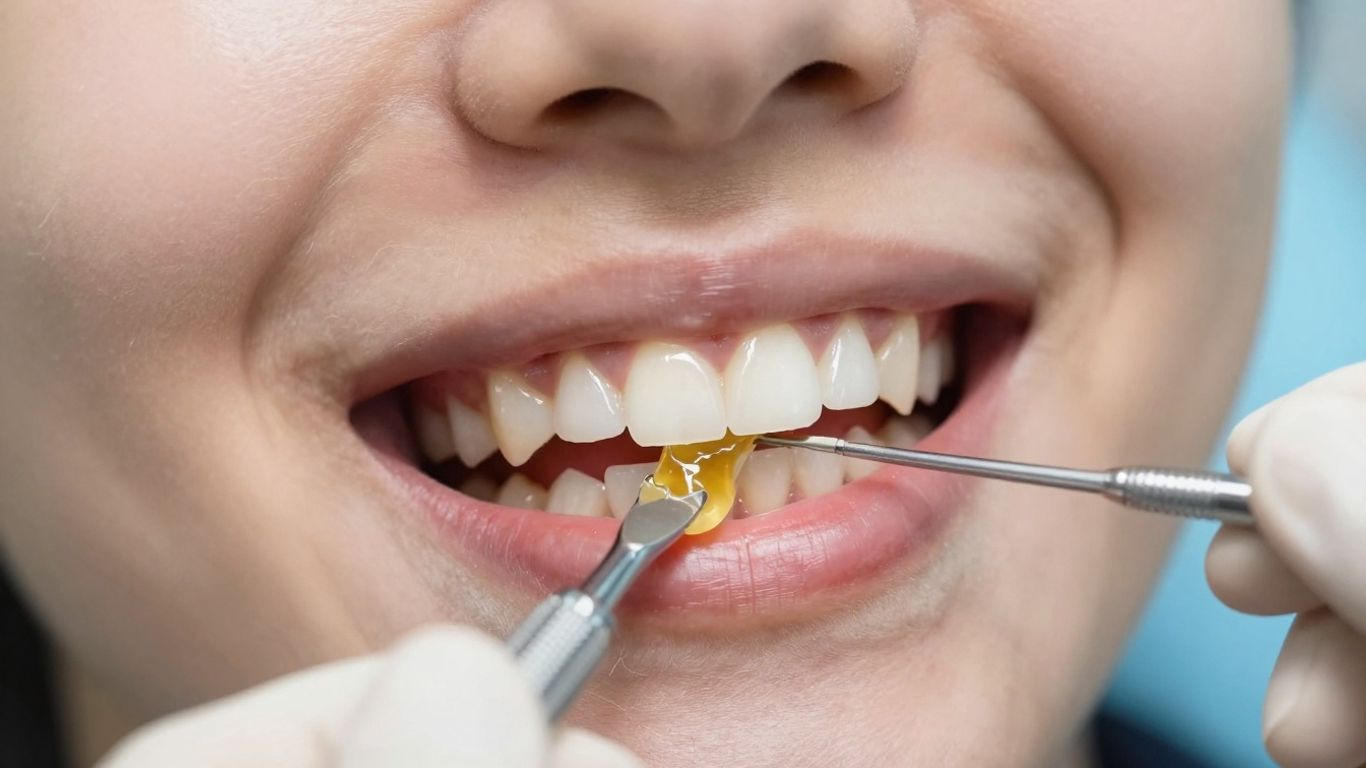
- Resin Application: The putty-like resin material is then applied to the tooth. The dentist carefully molds and shapes it to achieve the desired look, whether it's to fill a chip, close a gap, or correct a shape.
- Curing the Resin: Once the resin is in place and shaped, a special curing light is used. This light hardens the resin quickly, bonding it firmly to your tooth.
- Final Shaping and Polishing: Finally, the dentist will trim any excess material, make any final adjustments, and polish the bonded area. The goal is to make it look and feel just like your natural tooth, with a smooth, natural shine.
Frequently Asked Questions
What exactly is dental bonding?
Dental bonding is a way dentists fix or improve the look of teeth. They use a special putty-like material, called composite resin, that matches the color of your natural teeth. This material is carefully shaped onto the tooth and then hardened with a special light. It's a common fix for small problems like chips or gaps.
How does the dental bonding process work?
First, the dentist picks a resin color that looks just like your own teeth. Then, they gently roughen the tooth's surface and put on a special liquid to help the resin stick. The resin is applied, molded into the perfect shape, and then hardened with a curing light. Finally, the tooth is polished to look natural.
How long does dental bonding last?
With good care, dental bonding can last anywhere from 3 to 10 years. How long it stays in good shape depends on how well you take care of your teeth and how many teeth were bonded. Avoiding habits like chewing on hard objects or biting your nails can help it last longer.
Blog Post Author

Contributed by DentalROI
DentalROI provides relevant dental content to help providers educate patients. The statements, services, and products referenced in this article have not been evaluated by the Food and Drug Administration, and they are not intended as a substitute for professional medical advice, diagnosis, or treatment. Always seek the advice of your dental provider with any questions or issues you may have. Specific recommendations may vary in different circumstances, so individual consultation is important.