What Are Screwless Dental Implants
Dental implants have become a go-to option for replacing missing teeth, offering a stable and natural-looking solution. While many are familiar with the traditional screw-in method, a growing number of people are looking into screwless dental implants. You might be wondering, what are screwless dental implants, and how do they work? This article breaks down what you need to know about these modern dental restorations.
Key Takeaways
- Screwless dental implants, also known as cement-retained implants, attach a crown using dental cement instead of a screw, creating a seamless look.
- The procedure involves placing a post, attaching an abutment, and then cementing the crown, similar to traditional implants but without a visible screw hole.
- Benefits include improved aesthetics, especially for front teeth, and a smoother feel, though removal for repairs can be more complex.
- These implants are generally safe and effective when placed by an experienced dentist, offering a long-lasting solution with proper care.
- Candidates with healthy gums and adequate bone density who prioritize a natural appearance are often good fits for screwless implants.
What “Screwless” Dental Implants Really Mean
When people talk about "screwless" dental implants, they're usually referring to a specific way the final tooth-like crown is attached to the implant post that's already in your jawbone. It's not that the implant itself doesn't involve any screws during placement; rather, it's about how the visible part – the crown – is secured.
The main difference is how the crown connects to the implant. In traditional methods, a small screw goes through the crown and into an abutment (a connector piece) which is attached to the implant post. This screw is tightened, holding everything in place. With what are often called screwless dental implants, this screw isn't used for the final crown attachment. Instead, the crown is typically cemented onto the abutment, much like a regular dental crown is cemented onto a prepared natural tooth.
So, what are screwless implants and how do they work? Think of it as a different finishing technique. The implant post still goes into the jawbone, and an abutment is attached. But for the final step, instead of screwing the crown down, a strong dental cement is used to bond it. This leaves no visible screw hole on the chewing surface or the side of the crown.
This approach is also sometimes referred to as cement-retained dental implants. It's a way to achieve a very natural look, especially important for teeth that are easily seen when you smile or talk. While the term "screwless" might sound a bit confusing, it really just describes the final attachment method of the restoration, not the entire implant system.
Here's a quick breakdown of the key difference:
- Traditional Screw-Retained: Crown is attached to the abutment with a screw. There's a small hole for the screw, which is then usually covered.
- Screwless (Cement-Retained): Crown is bonded to the abutment using dental cement. No screw hole is visible on the crown itself.
This method aims to provide a smooth, uninterrupted surface for the final restoration, mimicking the appearance of a natural tooth even more closely.
How Screwless Dental Implants Are Designed to Look and Feel Natural
When people talk about screwless dental implants, they're often thinking about how natural the final result looks and feels. Unlike traditional implants that might have a small screw access hole on the chewing surface, screwless designs aim for a completely smooth, uninterrupted look. This is usually achieved by cementing the crown onto the implant abutment, much like how a natural tooth crown is attached.
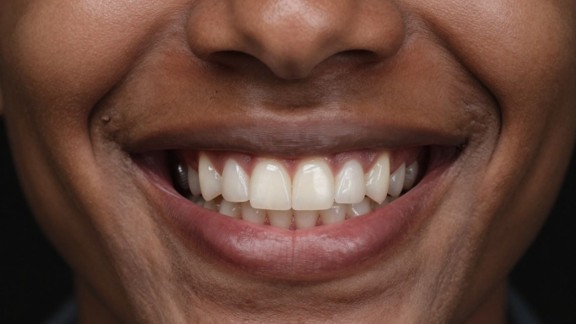
This method means there's no visible screw hole, which can be a big plus, especially for front teeth where aesthetics are really important. The goal is to blend the implant seamlessly with your existing teeth, making it hard for anyone to tell the difference. It’s all about creating a restoration that not only looks like a real tooth but also feels comfortable and stable when you eat, talk, or smile.
Some advanced screwless systems use a friction-fit design, like a conical connection. Think of it like a very precise puzzle piece that locks tightly into place. This creates a strong, stable bond without any cement or screws, and it’s designed to prevent movement and wear. These designs are often praised for their durability and how well they integrate with the bone, contributing to that natural, solid feel.
Here’s a quick look at what contributes to their natural appearance and feel:
- No visible screw access: The crown is cemented or friction-fit, leaving a smooth surface.
- Seamless integration: Designed to match the color, shape, and size of your natural teeth.
- Stable and secure: The connection method, whether cemented or friction-fit, aims for a solid feel that doesn't shift.
- Comfortable bite: Proper alignment helps you chew and speak normally.
The focus with screwless implants is on creating a restoration that's not just functional but also aesthetically pleasing, mimicking the look and feel of natural teeth as closely as possible. This often means a smoother surface and a more integrated appearance compared to some traditional implant methods.
Ultimately, the aim is for a result that feels like your own tooth – strong, comfortable, and natural-looking. While the technology behind them is quite sophisticated, the experience for you should be one of restored confidence and ease.
The Technology Behind Screwless Implant Restorations
Screwless dental implants represent a clever evolution in how we replace missing teeth, focusing on a secure and natural-looking outcome. Instead of relying on a visible screw to hold the artificial tooth crown in place, these systems use different methods to achieve stability. One common approach is the cement-retained method. In this technique, after the implant post is placed in the jawbone and has healed, a connector piece called an abutment is attached. Then, the final tooth crown is bonded onto this abutment using a strong dental cement. This leaves no visible screw hole on the chewing surface or side of the tooth, contributing to a more natural appearance.
Another advanced design involves friction-fit connections. Think of it like a very precise, snug fit between the implant components. A popular example is the Morse taper connection, where the abutment and implant post are shaped to lock together tightly. This creates a stable, durable bond without any screws or cement. Other friction-fit designs use tapered or press-fit connections that achieve a similar secure hold through precise engineering. These methods are designed to prevent movement and rotation, giving you a solid, reliable replacement tooth.
Some screwless implants are even designed as a single, integrated piece, combining the implant post and the abutment into one unit. This can simplify the process and reduce potential weak points. However, it requires very precise placement from the start.
Here's a quick look at how these technologies differ:
- Cement-Retained: Crown is bonded to the abutment with dental cement.
- Friction-Fit: Components lock together tightly through precise shaping (e.g., Morse taper).
- One-Piece Implants: Implant post and abutment are integrated into a single unit.
The goal across all these designs is to provide a stable, functional, and aesthetically pleasing tooth replacement. While the technology might sound complex, the patient experience is focused on achieving a result that feels and looks like your own natural teeth. Choosing the right type of screwless implant often depends on individual needs and the specific clinical situation, and your dentist can explain the best options for you. You can learn more about modern implant solutions that aim for this natural look and feel.
Healing and Comfort Considerations
When considering screwless dental implants, understanding the healing process and comfort levels is key. While these implants are designed for a natural feel, like any dental procedure, there's a recovery period involved. Patients often find that the healing phase with screwless options can be quite smooth, partly because the placement might be less invasive than traditional screw-retained implants. This can mean less initial discomfort and potentially a quicker return to normal activities.
The primary goal is to ensure the implant integrates properly with your jawbone, a process that takes time. During this period, maintaining good oral hygiene is super important. This involves gentle brushing around the implant site and careful flossing to keep the area clean without causing irritation. Your dentist will provide specific instructions tailored to your situation.
Here are some points to keep in mind regarding healing and comfort:
- Initial Discomfort: Some soreness or mild discomfort is normal immediately after the procedure. Over-the-counter pain relievers usually manage this well.
- Swelling: You might experience some swelling around the implant site. Applying a cold compress can help reduce this.
- Dietary Adjustments: For the first few days or weeks, sticking to softer foods is recommended to avoid putting too much pressure on the healing implant.
- Oral Hygiene: Diligent, yet gentle, cleaning is vital to prevent infection and promote healing. Your dental team will guide you on the best techniques.
It's also worth noting that the comfort of screwless implants extends beyond the healing phase. Because they often result in a restoration without a visible screw access hole, they can feel more like natural teeth. This can contribute to a more confident smile and a more natural biting sensation.
While the recovery is generally straightforward, individual healing times can vary. Following your dentist's post-operative care instructions precisely is the best way to ensure a successful outcome and minimize any potential complications. Open communication with your dental provider about any concerns during the healing process is always encouraged.
For many, the reduced risk of screw-related issues contributes to long-term comfort and peace of mind. These implants are designed to be stable and function reliably, allowing you to eat, speak, and smile with confidence. If you're curious about the recovery timeline or what to expect day-to-day after getting a screwless implant, discussing it with your dental professional is the best first step. They can provide a personalized outlook based on your specific needs and the treatment plan. You can explore more about the implant placement process to get a better idea of what's involved.
Who May Be a Good Candidate for Screwless Dental Implants
So, who exactly is a good fit for these screwless dental implants? It's not a one-size-fits-all situation, but generally, people looking for a really natural look, especially in the front of their mouth, tend to do well with this option. Think about it – no visible screw holes means a cleaner, more seamless appearance.
Ideal candidates usually have healthy gums and enough bone in their jaw to support the implant properly. This is pretty important for any kind of implant, really. If you're someone who's diligent about taking care of your teeth and goes to the dentist for regular check-ups, that's a big plus too. It shows you're committed to keeping your new smile healthy.
Here are some points that often make someone a good candidate:
- Healthy Gums: You don't want any active gum disease going on. Healthy gum tissue is key for the implant to integrate well.
- Sufficient Bone Density: Your jawbone needs to be strong enough to hold the implant firmly. X-rays and scans help figure this out.
- Aesthetic Focus: If you're really concerned about how your smile looks, especially in the front where it's most noticeable, screwless implants can offer a really nice, natural finish.
- Good Oral Hygiene Habits: Regular brushing, flossing, and keeping up with dental appointments are a must for long-term success.
While screwless implants are great for aesthetics, they might not be the best choice for everyone. People who tend to grind their teeth heavily or have very specific bone structure issues might find traditional screw-retained implants a better fit. It really comes down to a personalized assessment.
It's also worth noting that while these implants are designed to be stable, they might not be the first choice if you need a restoration that's easily removed for maintenance or adjustments. The way they're secured means they're generally meant to stay put, which is great for stability but can make future access a bit more involved. Your dentist will look at your bite, your bone, and what you want your smile to look like before making a recommendation. It's all about finding the right solution for your mouth.
Wrapping Up Screwless Dental Implants
So, screwless dental implants are a pretty neat option for folks looking to replace missing teeth, especially if how it looks is a big deal. They skip the screw hole, giving a more natural look, which is great for front teeth. While they work a lot like the traditional kind, they're cemented in place. This means they can be a bit trickier to take out if something needs fixing later on, and it's super important that the dentist cleans up all the cement really well. Like with anything, talking it over with your dentist is the best way to figure out if this screwless approach is the right fit for your smile and your mouth.
Frequently Asked Questions
What exactly does 'screwless' mean for dental implants?
When dentists talk about 'screwless' dental implants, they usually mean implants where the fake tooth, or crown, is attached using dental cement instead of a tiny screw. Think of it like gluing the crown onto a special connector piece that's already attached to the implant in your jawbone. This way, there's no visible screw hole on the crown.
How are screwless implants different from regular ones?
The main difference is how the crown is attached. Regular implants often have a screw that goes through the crown into the implant. Screwless ones use strong dental cement to hold the crown in place. This means screwless implants can look more natural because there's no screw hole, especially in the front of your mouth where it's easily seen.
Are screwless dental implants as strong as ones with screws?
Yes, screwless implants are designed to be very strong and stable. The cement creates a secure bond, and some newer designs use a snug, friction-fit connection that's also very durable. When placed by a skilled dentist and cared for properly, they can last for many years, just like traditional implants.
Can screwless implants be removed if needed?
While it's not as simple as unscrewing them, screwless implants can be removed. However, it requires special tools and expertise from a dentist. This is because they are cemented on, so removal is a more involved process compared to taking out a screw.
Who is a good candidate for screwless dental implants?
Screwless implants are often a great choice for people who want the most natural-looking smile, especially for front teeth. Good candidates usually have healthy gums and enough bone to support the implant. They also need to be committed to good daily brushing and flossing, plus regular dental check-ups.
Are there any downsides to screwless dental implants?
One potential downside is that if a screwless implant needs repair or removal, it can be more difficult for the dentist. Also, if any cement is left behind after the crown is attached, it could potentially irritate the gums. That's why it's super important to have an experienced dentist place them carefully.
Blog Post Author

Contributed by DentalROI
DentalROI provides relevant dental content to help providers educate patients. The statements, services, and products referenced in this article have not been evaluated by the Food and Drug Administration, and they are not intended as a substitute for professional medical advice, diagnosis, or treatment. Always seek the advice of your dental provider with any questions or issues you may have. Specific recommendations may vary in different circumstances, so individual consultation is important.