How Does Botox Help With TMJ Pain and Facial Tension?
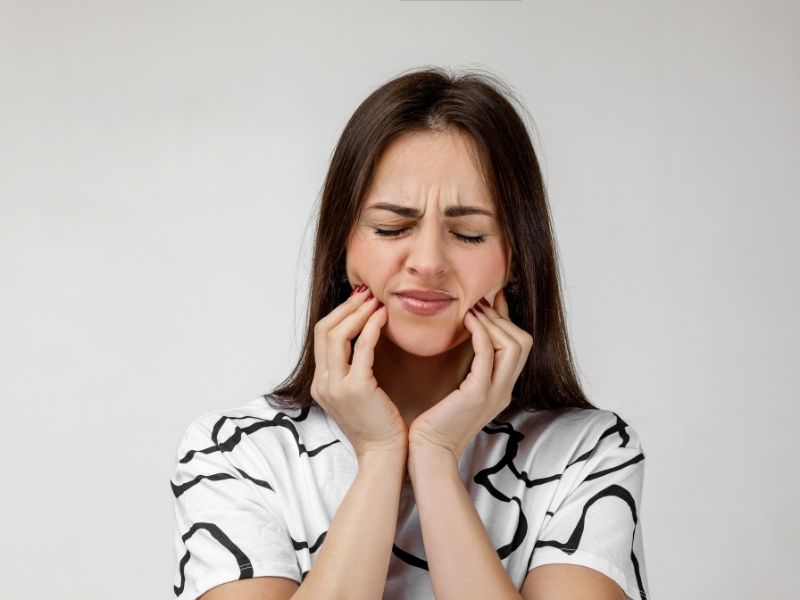
So, you're dealing with that nagging jaw pain and facial tension that comes with TMJ issues? It's a real drag, and honestly, it can make even simple things like chewing or talking uncomfortable. You might be wondering, "how does Botox help with TMJ pain?" Well, it's actually pretty clever.
Why are more dentists now offering Botox for TMJ treatment?
It seems like more and more dentists are adding Botox to their services, especially for TMJ. Why the shift? For starters, dentists are already experts in the muscles of the face and jaw. They understand how these muscles work (and when they're not working so well!). When you have TMJ disorder, it's often because the muscles in your jaw, like the masseter and temporalis muscles, are working overtime. They get tight and overworked from clenching or grinding, which puts a ton of stress on your jaw joint. Botox is a way to tell those muscles to chill out.
Targeted Muscle Relaxation: Botox works by temporarily blocking nerve signals to specific muscles. When injected into the overactive jaw muscles, it reduces their ability to contract forcefully.
- Pain Reduction: By relaxing these tight muscles, Botox lessens the strain on your temporomandibular joint (TMJ). This can significantly cut down on jaw pain, headaches, and even that tight feeling in your face.
- Reduced Grinding/Clenching: For those who grind or clench their teeth, especially at night, Botox can decrease the intensity of these actions, protecting your teeth from wear and tear.
Think of it like this: your jaw muscles are like a clenched fist. Botox helps to gently open that fist, releasing the built-up tension and pressure. It's not a cure-all, but it can be a really effective way to manage the pain and discomfort.
While Botox isn't FDA-approved specifically for TMJ treatment in the US, many dentists and doctors have found it to be a safe and effective option, especially when other treatments haven't quite hit the mark. It's a minimally invasive approach that can offer a much-needed break from the constant pain and tension.
Botox for TMJ Pain Relief — How It Actually Works
So, how does this stuff actually help with that nagging jaw pain and tension? It's pretty interesting, actually. When we talk about botox for TMJ pain relief explained, we're looking at how a specific protein, botulinum toxin, can calm down those overactive jaw muscles that are causing you grief.
Which jaw muscles are targeted with Botox for TMJ?
When you get Botox for TMJ issues, the main players are usually the masseter muscles. These are the big, strong muscles at the back of your jaw that you use for chewing. Think of them like the workhorses of your jaw. Sometimes, the temporalis muscles, located on the sides of your head near your temples, are also targeted. These muscles help you close your jaw and can get pretty tight too.
Here's a quick rundown of the muscles often involved:
- Masseter Muscles: These are the primary muscles for chewing and are often the main source of clenching and grinding pain.
- Temporalis Muscles: Located on the sides of your head, these muscles assist in chewing and can contribute to tension headaches.
- Pterygoid Muscles (less common): These muscles are deeper and help with side-to-side jaw movement. They might be targeted in more complex cases.
The idea is to relax these muscles just enough so they stop spasming or clenching so hard. It's not about freezing your face; it's about dialing down the intensity of muscle activity that's causing pain and strain on your jaw joint.
When these muscles are overactive, maybe from stress, grinding your teeth at night (bruxism), or just general tension, they can put a lot of pressure on your temporomandibular joint (TMJ). Botox works by temporarily blocking the nerve signals that tell these muscles to contract so forcefully. It's like putting a temporary pause button on that constant muscle tension. This relaxation can lead to less pain, reduced headaches, and a better ability to open your mouth without discomfort. It's a way to break the cycle of pain and muscle guarding that often happens with TMJ disorders.
How Effective Is Botox for TMJ Disorder?
So, how well does Botox actually work for TMJ issues? It's a bit of a mixed bag, honestly. While many people find relief, it's not a magic bullet for everyone, and it's not officially approved by the FDA specifically for TMJ disorders. Think of it more as a helpful tool in the toolbox, especially when other treatments haven't quite cut it or when your pain is really messing with your daily life.
How does Botox compare to night guards and other TMJ treatments?
When you're dealing with TMJ pain, there are a few common approaches. Night guards are often the first line of defense, helping to stop teeth grinding and clenching, especially while you sleep. Physical therapy can also be a big help, working on posture and jaw exercises. Sometimes, medication is used to manage pain and inflammation. Botox comes into play when these more traditional methods aren't giving you enough relief. It's not usually the first thing recommended, but for some, it can be a game-changer.
Here's a quick look at how it stacks up:
- Night Guards: Great for protecting teeth from grinding and clenching. They don't directly relax muscles but can reduce the strain.
- Physical Therapy: Focuses on improving jaw function, posture, and reducing muscle tension through exercises and manual techniques.
- Medications: Pain relievers and anti-inflammatories can help manage symptoms, but they don't address the muscle overactivity directly.
- Botox: Directly targets and relaxes overactive jaw muscles, which can reduce pain, clenching, and even headaches associated with TMJ.
It's important to remember that Botox for TMJ is often used alongside other treatments, not as a replacement. The goal is to reduce the muscle's ability to clench so intensely, which then allows other therapies to work more effectively and breaks the cycle of pain.
While research is still ongoing and results can vary, many individuals report a significant decrease in jaw pain, headaches, and facial tension after Botox treatment. It seems to work best for symptoms related to muscle overactivity, like bruxism (teeth grinding) and general jaw muscle soreness. However, it might not be as effective for issues stemming from joint problems or disc displacement within the jaw.
Botox Injections for Jaw Tension and TMJ — What to Expect
So, you're thinking about getting Botox for your jaw tension or TMJ issues? That's a big step, and it's totally normal to wonder what the whole process is like. Let's break down what you can expect when you go in for these injections.
The Injection Process
When you go in for your appointment, the first thing that will happen is a chat with your dentist or the medical professional administering the treatment. They'll want to know about your symptoms, how long you've been dealing with them, and what's been done so far. They'll also do a quick check of your jaw and facial muscles to figure out the best spots for the injections. The actual injections feel a bit like a tiny bee sting, but it's super quick. Most of the time, it's done in just a few minutes.
What Happens After the Shots?
After you get your Botox injections for jaw tension and TMJ, there are a few things you'll want to keep in mind:
- Avoid rubbing the area: Try not to massage or rub the spots where you got the injections for at least a few hours. This helps make sure the Botox stays put where it's supposed to work.
- Stay upright: It's a good idea to stay sitting up straight for a few hours after your treatment. This is another way to prevent the Botox from migrating to other muscles.
- Cold packs for comfort: If you feel a little sore or notice some mild swelling at the injection sites, a cold pack can really help.
- Return to normal activities: For the most part, you can go back to your usual daily routine right away. Just take it easy on strenuous activities for the first day or so.
Potential Side Effects
While Botox is generally safe, like any medical procedure, there can be some side effects. Most are pretty minor and don't last long.
- Common side effects: These can include things like a headache, some temporary eyelid drooping, or flu-like symptoms. You might also feel a bit of discomfort at the injection site, kind of like you would after a vaccine.
- Less common side effects: Occasionally, people might experience some redness or swelling where the needle went in, or a bit of temporary muscle weakness in the area.
It's important to remember that Botox for TMJ is often used alongside other treatments. It's not usually a magic bullet that solves everything on its own. Think of it as a powerful tool that can help relax those overactive jaw muscles, making it easier for other therapies like physical therapy or oral appliances to do their job effectively.
How Many Units of Botox Are Needed for TMJ Relief?
The amount of Botox needed can really vary from person to person. It depends on a few things:
- Muscle size and strength: If your jaw muscles are really strong or enlarged from clenching and grinding, you might need more units.
- Treatment area: Whether you're treating just one side of your jaw or both, and which specific muscles are being targeted, will affect the total amount.
- Your specific condition: The severity of your TMJ pain and tension plays a big role.
Generally, dentists will start with a certain number of units and see how you respond. For TMJ treatment, it's common to use anywhere from 20 to 50 units, sometimes more, spread across the affected muscles. Your provider will figure out the right dosage for you during your consultation.
Botox TMJ Treatment — How Long Do Results Last?
So, you're wondering how long that sweet relief from Botox for your TMJ pain will stick around? It's a pretty common question, and the answer is usually "it depends," but let's break it down.
Most folks find that the effects of Botox for TMJ relief tend to last somewhere in the ballpark of three to four months. Think of it like this: the Botox is essentially telling those overactive jaw muscles to chill out for a while. Over time, that signal fades, and the muscles start to ramp back up.
Here's a little more detail on what influences how long it lasts:
- How strong are your jaw muscles? If you've got seriously powerful masseter muscles from years of clenching or grinding, the Botox might wear off a bit faster.
- How severe is your TMJ? The more intense your symptoms and muscle activity, the more the muscles might try to...
Wrapping It Up
So, while Botox isn't a magic bullet for all TMJ issues, it can be a really helpful tool for many people dealing with jaw pain and facial tension. It works by relaxing those overactive muscles, giving your jaw joint a much-needed break. Remember, it's usually best used alongside other treatments and should always be done by a trained professional. If you're tired of dealing with TMJ discomfort, chatting with your dentist about whether Botox might be a good option for you is definitely worth considering.
Frequently Asked Questions
What exactly is TMJ pain?
TMJ pain is basically discomfort in your jaw joint and the muscles around it. Think of it like a sore spot in your jaw that can make it hard to chew, talk, or even just relax your face. Sometimes it feels like a headache or makes your face feel really tight.
How does Botox help with jaw pain?
Botox is like a temporary pause button for your muscles. When it's injected into the jaw muscles that are working too hard, it makes them relax. This means less clenching and grinding, which then reduces the pressure on your jaw joint and eases the pain.
Which muscles get the Botox shots?
Usually, the shots go into the big muscles on the sides of your jaw, called the masseter muscles. Sometimes, they might also go into the muscles in your temples, known as the temporalis muscles. These are the main muscles that help you chew and clench your jaw.
How long does it take to feel better after Botox?
You might start to feel a difference pretty quickly, sometimes in just a few days. But it can take up to two weeks to really notice the full effect. Your jaw will start to feel less tense, and any pain you had should start to calm down.
How long do the results from Botox last for TMJ?
The effects of Botox usually stick around for about 3 to 4 months. After that, the muscles start to work normally again, and you might need another treatment if your pain comes back. Over time, some people find they need treatments less often.
Is Botox safe for TMJ treatment?
When given by a trained dentist or doctor, Botox is generally considered safe for treating TMJ. The FDA hasn't officially approved it specifically for TMJ, but many doctors use it this way. Like any injection, there can be minor side effects like a little soreness or bruising at the shot spot, but serious problems are rare.
Blog Post Author

Contributed by DentalROI
DentalROI provides relevant dental content to help providers educate patients. The statements, services, and products referenced in this article have not been evaluated by the Food and Drug Administration, and they are not intended as a substitute for professional medical advice, diagnosis, or treatment. Always seek the advice of your dental provider with any questions or issues you may have. Specific recommendations may vary in different circumstances, so individual consultation is important.