
Can I Brush My Teeth Before or After Using Teeth Whitening Strips
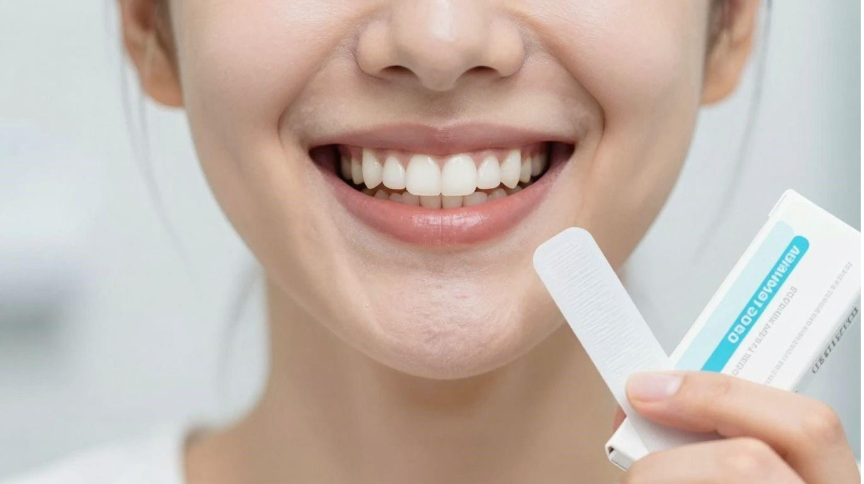
Achieving a brighter smile with whitening strips is a common goal, but figuring out the best way to incorporate them into your daily routine can be a bit confusing. A frequent question people ask is whether they should brush their teeth before or after using these popular at-home treatments. The answer isn't a simple yes or no; it involves understanding how whitening strips work and considering your own oral health. Let's break down the best practices to help you get the most out of your whitening experience.
Key Takeaways
- Brushing your teeth before using whitening strips can help remove plaque and food particles, potentially making the whitening gel more effective. However, it's advised to wait about 30 minutes after brushing before applying the strips to avoid gum irritation and sensitivity.
- Brushing immediately before applying whitening strips can lead to increased tooth sensitivity and gum irritation because the enamel and gums might be temporarily more vulnerable.
- After removing whitening strips, it's generally okay to brush your teeth, but waiting at least 30 minutes is recommended to allow your enamel to recover and minimize discomfort.
- When brushing after using whitening strips, use a soft-bristle toothbrush and gentle motions to avoid damaging enamel that might be temporarily softened by the whitening agent.
- Always follow the specific instructions provided by the manufacturer of your whitening strips, whether it's Crest Whitening Strips or Lumineux Whitening Strips, as recommendations can vary.
How Whitening Strips Work on Your Teeth
Whitening strips are a popular way to get a brighter smile at home. They work by using a special gel that contains peroxide, usually hydrogen peroxide or carbamide peroxide. This gel is spread onto thin, flexible strips that you stick onto your teeth.
When the strips are in place, the peroxide in the gel gets to work. It penetrates the outer layer of your tooth, called the enamel, and reaches the layer underneath, the dentin. Once there, the peroxide breaks down into smaller parts that help to break apart the compounds causing stains and discoloration. This process lightens the teeth from the inside out.
Think of it like this:
- The peroxide acts as a bleaching agent.
- It targets the molecules that make your teeth look yellow or stained.
- Over time, it breaks these molecules down, making your teeth appear whiter.
It's a pretty neat chemical reaction that happens right there on your teeth. The effectiveness of this process relies on the gel having good contact with your tooth surface, which is why how you prepare your teeth before and care for them after using the strips can make a difference. For more details on how these products work, you can check out how teeth whitening strips work.
The key is that the peroxide needs to reach the stained areas within the tooth structure to effectively lighten them. The strips are designed to hold the gel in place, allowing it to work over a specific period.
Brushing Before Using Whitestrips: Benefits and Best Practices
So, you're wondering, should I brush my teeth before using whitening strips? It's a pretty common question when you're aiming for that brighter smile. The short answer is yes, but there's a bit of a technique to it to get the best results without any fuss.
Brushing your teeth before you apply any whitening strips, whether it's Crest Whitening Strips or Lumineux Whitening Strips, really helps set the stage. Think of it like cleaning a canvas before you paint. When you brush, you're getting rid of any leftover food bits, plaque, and surface gunk that might be hanging around. This means the whitening gel on the strips can get to your actual tooth enamel more directly. This direct contact is key for the whitening agents to work their magic effectively.
Here’s a breakdown of why this pre-brushing step is a good idea and how to do it right:
- Removes Debris: Brushing clears away anything that could block the whitening gel from reaching the tooth surface. This helps ensure a more even and thorough whitening.
- Improves Adhesion: Clean, dry teeth allow the whitening strips to stick better. This means they're less likely to slip around, which can lead to patchy results.
- Maximizes Effectiveness: With a clean slate, the peroxide in the strips can penetrate the enamel more efficiently, breaking down stains and leading to a visibly whiter smile.
Now, about the 'best practices' part. It's not just about brushing; it's about how and when you brush relative to applying the strips. You want to be gentle. Using a soft-bristled toothbrush and a mild toothpaste is the way to go. Scrubbing too hard or using an abrasive paste right before applying the strips can actually irritate your gums and make your enamel more sensitive to the whitening agents. Nobody wants that!
A little patience after brushing goes a long way. Waiting a short period before applying the strips helps minimize potential discomfort and allows your mouth to return to a more neutral state, which is better for the whitening process.
So, to recap: Yes, brush your teeth before using whitening strips. Use a soft brush and gentle toothpaste, and then give yourself about 20 to 30 minutes before you stick those strips on. This little bit of waiting time makes a difference in comfort and results.
Why Brushing Immediately Before Whitening Can Cause Sensitivity
So, you're thinking about brushing your teeth right before you slap on those whitening strips? It might seem like a good idea to get a clean slate, but hold on a second. Doing that can actually make things a bit uncomfortable.
When you brush, you're essentially scrubbing your teeth. This process, especially if you're a bit vigorous, can temporarily make your tooth enamel a little more sensitive. Think of it like lightly scratching a surface – it becomes more exposed. Then, when you apply the whitening strips, the active ingredients, which are usually peroxide-based, come into direct contact with this more sensitive enamel. This direct contact can lead to a zinging sensation or general discomfort, which nobody really wants when they're trying to get a brighter smile.
Also, brushing right before can sometimes irritate your gums. If the whitening gel then touches these freshly brushed, slightly irritated gums, it can cause a burning or stinging feeling. It's not a pleasant experience, and it might make you want to ditch the whitening process altogether.
It's generally recommended to wait a bit after brushing before applying whitening strips. This gives your teeth and gums a chance to settle down, reducing the likelihood of sensitivity and irritation during the whitening treatment.
Here's a quick rundown of why it's not ideal:
- Temporary Enamel Weakening: Brushing can make enamel more porous for a short time.
- Increased Sensitivity: This makes teeth more susceptible to the whitening agents.
- Gum Irritation: Freshly brushed gums can be more reactive to the gel.
It's better to brush your teeth a good while before you plan to use the strips, maybe an hour or so, or even just brush them earlier in the day. This way, you get the benefits of a clean mouth without the added sensitivity that can come from brushing too close to your whitening session. For more tips on preparing your teeth for whitening, you can check out general whitening advice.
Brushing After Using Whitestrips: What Patients Should Know
So, you've finished your whitening strip session and are wondering about brushing. It's a common question, and the short answer is: yes, you can brush after, but timing and technique matter.
Waiting a bit after removing the strips is generally a good idea. Think of your teeth like they've just had a workout; they need a moment to recover. Brushing too soon, especially if you have sensitive teeth, could make things a bit uncomfortable. Most dentists suggest waiting at least 30 minutes after taking off the strips before you pick up your toothbrush. This gives your enamel a chance to settle down after being exposed to the whitening agent.
When you do decide to brush, remember to be gentle. Your enamel might be a little more susceptible right after whitening. Using a soft-bristle toothbrush is key here. Scrubbing too hard can actually do more harm than good, potentially leading to irritation or even wear on your teeth over time. Focus on cleaning all surfaces without applying too much pressure.
Here’s a quick rundown on how to approach brushing post-whitening:
- Rinse first: Before you even grab your toothbrush, rinse your mouth well with plain water. This helps wash away any leftover whitening gel that might still be on your teeth or gums.
- Use a soft brush: Make sure your toothbrush has soft bristles. Anything firmer could be too harsh.
- Brush gently: Use light, circular motions. Don't scrub like you're trying to remove a stubborn stain; gentle cleaning is what you need.
- Consider fluoride toothpaste: Using a fluoride toothpaste can help strengthen your enamel, which is always a good thing for your oral health.
Some people find that brushing right after using whitening strips can increase sensitivity. If this sounds like you, don't worry. You have options. You could simply rinse your mouth thoroughly with water and wait until your next scheduled brushing time, maybe later that day or the next morning. Another alternative is to use an alcohol-free mouthwash, which can help freshen your breath and provide a bit of extra protection without the direct scrubbing action. The main goal is to remove any residual gel without causing discomfort or potential damage to your teeth. For more personalized advice on your whitening journey, consider consulting with a dental professional about the best practices for your specific needs.
The decision to brush after whitening strips often comes down to personal comfort and how your teeth feel. Prioritizing gentle care and allowing your teeth a brief recovery period are the most important steps to take.
What to Do Immediately After Removing Whitening Strips
Once you peel off those whitening strips, your teeth have just been through a treatment. The first thing you'll want to do is give your mouth a good rinse with cool water. This helps wash away any leftover gel that might still be hanging around. You don't need to scrub or anything, just a gentle swish should do the trick.
After rinsing, it's generally a good idea to wait a bit before you brush. Think about giving your teeth a little break. Some people find their teeth feel a bit sensitive right after using the strips, and brushing too soon could make that feeling worse. Plus, your enamel might be a little more open to things right after the whitening process, so being gentle is key.
If you're eager to clean your teeth, consider these options:
- Rinse thoroughly with water: This is the simplest way to get rid of any remaining gel without any extra fuss.
- Use an alcohol-free mouthwash: This can help freshen your breath and rinse away residue.
- Wait until your next scheduled brushing: If you can hold off, waiting until your usual morning or evening brush gives your teeth more time to settle.
The main goal is to avoid irritating your teeth and gums right after the whitening process.
It's often recommended to avoid eating or drinking anything, especially hot beverages or acidic foods, for at least 30 minutes after removing the strips. This helps protect your newly brightened smile and allows the whitening effects to really take hold. For more details on post-whitening care, you can check out guidance on whitening results.
If you do decide to brush, make sure you use a toothbrush with soft bristles and a very gentle touch. Think of it as a light polish rather than a vigorous scrub. Focus on cleaning all the surfaces of your teeth without putting too much pressure on them. This approach helps maintain cleanliness without causing discomfort or potential damage to your enamel.
Wrapping Up: Brushing and Whitening Strips
So, when it comes down to it, brushing your teeth before or after using whitening strips really depends on what feels best for you and your teeth. Most folks find it helpful to brush before to get a clean slate for the strips, but it’s super important to be gentle and then wait a little bit, maybe 20 to 30 minutes, before putting the strips on. This waiting time helps your teeth and gums settle down. If you’re worried about sensitivity, brushing after the strips is also an option, but again, wait a bit and brush very gently. No matter what you choose, always read the instructions that come with your whitening strips and, if you’re unsure, chatting with your dentist is always a good idea. They can help you figure out the best way to get that brighter smile without any trouble.
Frequently Asked Questions
How do whitening strips actually make teeth whiter?
Whitening strips have a special gel on them, usually with peroxide. This gel gets into your teeth's outer layer, called enamel, and breaks down the stuff that makes them look yellow or stained. It's like a gentle cleaning that lifts the color away, making your teeth appear brighter.
Why is it not a good idea to brush right before using whitening strips?
Brushing your teeth right before putting on whitening strips can sometimes cause problems. If you brush too hard, it might irritate your gums or make your teeth more sensitive to the whitening gel. It's better to give your teeth and gums a little break after brushing before you start whitening.
What happens if I brush my teeth right after using whitening strips?
Brushing immediately after taking off the strips might make your teeth feel more sensitive because the whitening gel can make your enamel a bit tender. It's usually best to wait a little while, maybe 30 minutes, before brushing to let your teeth settle down.
Is it okay to brush my teeth after the whitening treatment is completely finished?
Yes, it is generally fine to brush your teeth after you've finished your entire whitening strip treatment. Just be sure to use a soft toothbrush and brush gently. Rinsing your mouth well after removing the strips can help get rid of any leftover gel before you brush.
How long should I wait after brushing before applying whitening strips?
Most dentists and product instructions suggest waiting about 20 to 30 minutes after brushing your teeth before you apply whitening strips. This short break helps your teeth and gums recover from brushing and reduces the chance of feeling sensitive when the whitening gel is on.
What should I do right after taking the whitening strips off my teeth?
After you remove the whitening strips, the best thing to do is gently rinse your mouth with water. This helps wash away any leftover whitening gel. You can then pat your teeth dry with a soft towel before you decide whether to brush or wait a bit longer.
Blog Post Author

Contributed by DentalROI
DentalROI provides relevant dental content to help providers educate patients. The statements, services, and products referenced in this article have not been evaluated by the Food and Drug Administration, and they are not intended as a substitute for professional medical advice, diagnosis, or treatment. Always seek the advice of your dental provider with any questions or issues you may have. Specific recommendations may vary in different circumstances, so individual consultation is important.